

The Shift from Traditional Shopping Centers to Lifestyle Destinations
Contrary to the notion that malls are becoming obsolete, they are undergoing a significant transformation to meet evolving consumer expectations. The modern mall is no longer just a shopping center—it is a multi-faceted lifestyle destination offering a blend of retail, dining, entertainment, and community engagement. As consumer behaviors shift towards seeking unique and immersive experiences, malls must adapt by incorporating diverse elements that cater to different demographics and needs.
Key Trends Driving Mall Evolution
The integration of food and beverage (F&B) outlets and immersive entertainment experiences has become essential for malls looking to attract visitors beyond traditional shopping needs. Unique dining concepts, food halls, and internationally acclaimed restaurant chains elevate the culinary experience, while cinemas, gaming zones, VR experiences, and live event spaces create engaging environments that ensure repeat visits and increased dwell times.
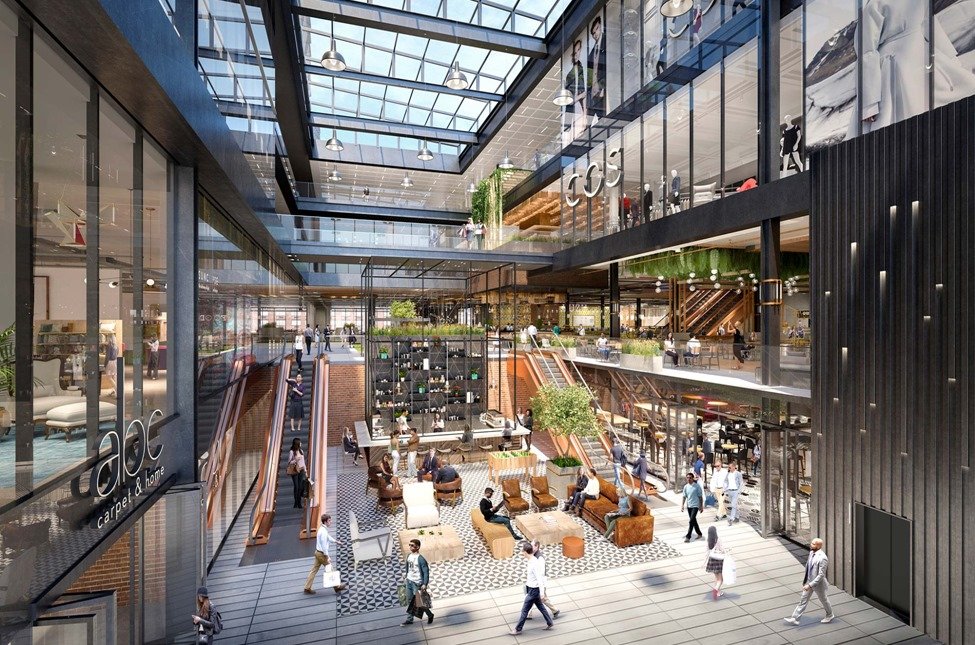
Many malls are incorporating residential units, office spaces, and hotels to create a seamless live-work-play ecosystem. This diversification enhances foot traffic and ensures long-term sustainability. Mixed-use developments provide convenience by offering everything from daily essentials to premium leisure options under one roof, making malls a preferred choice for urban dwellers and professionals.
With the rise of remote work and entrepreneurship, malls are integrating coworking spaces and business hubs. These spaces cater to professionals looking for a dynamic work environment with easy access to amenities such as dining, fitness centers, and social hubs. This trend not only increases weekday footfall but also establishes malls as versatile spaces that cater to both business and leisure needs.
Wellness and fitness have also become integral components of the modern mall experience. Gyms, wellness clinics, and health-focused brands are increasingly being incorporated to cater to the growing demand for holistic well-being. Yoga studios, meditation centers, and health-focused stores make malls destinations for self-care and healthy living. This trend aligns with the broader consumer shift towards wellness-driven lifestyles, reinforcing the mall as a comprehensive destination beyond retail.
Experiential retail and technology are reshaping how consumers shop, with interactive displays, augmented reality (AR), and artificial intelligence (AI)-driven personalization enhancing engagement and creating memorable experiences. Smart mirrors, virtual fitting rooms, and AI-powered recommendations personalize the shopping journey, making it more intuitive and enjoyable. Digital integration also includes mobile apps and contactless payment options, ensuring seamless connectivity between physical and online retail.
Successful Mall Transformations: Regional and Global Examples
Mall of the Emirates in Dubai has pioneered the integration of retail with entertainment, featuring Ski Dubai, luxury brands, and a strong F&B presence. The Dubai Mall has become a global benchmark for experiential retail, offering attractions such as the Dubai Aquarium, VR Park, and The Dubai Fountain, making it a major tourist destination beyond shopping. Hudson Yards in New York exemplifies mixed-use development, combining high-end retail with office spaces, luxury residences, and cultural venues. Westfield London, one of the largest shopping centers in Europe, continuously evolves with entertainment zones, food halls, and flexible workspaces, demonstrating the importance of curated experiences. Changi Jewel in Singapore merges nature with retail, featuring the world’s tallest indoor waterfall, extensive green spaces, and a blend of shopping and leisure, setting a new standard in biophilic mall design.
The Future of Malls: What Lies Ahead?
Malls will continue to evolve, focusing on community-centric spaces, personalized experiences, and seamless digital-physical integration. Their success will depend on adapting to shifting consumer preferences, embracing innovation, and creating engaging destinations that go beyond transactional shopping. Future malls are expected to incorporate more sustainable designs, enhance mobility solutions such as autonomous vehicle hubs, and leverage AI-driven data analytics to better understand and serve their audiences.
The reinvention of malls is not just about survival—it is about thriving in a new era of retail and lifestyle convergence. By embracing change and reimagining their purpose, malls can remain relevant and continue to serve as vibrant, multifunctional spaces that cater to the evolving needs of modern consumers.