

Retail mall leasing has always been a high-stakes game of strategy, economics, and customer psychology. But nowhere else on the planet plays this game with as much flair and finesse as Dubai, a city that has reimagined what a mall can be. In Dubai, leasing isn’t just about filling spaces; it’s about creating experiences, forging connections and, most importantly, buying a customer’s most valuable asset: TIME.
Malls in Dubai are not merely shopping venues; they are immersive destinations where lifestyle, culture, and entertainment seamlessly converge. From the moment you step into iconic landmarks like The Dubai Mall, Mall of the Emirates, or the newer Dubai Hills Mall, you’re transported into a world where time itself seems to slow. Whether you’re mesmerised by dancing fountains, skiing indoors, or marvelling at the marine life in an indoor aquarium, these spaces are designed to captivate you for hours, if not days. It’s not just architecture; it’s theatre.
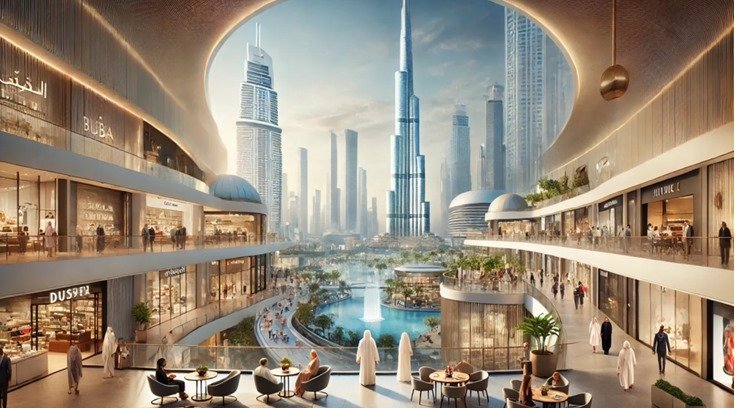
Contrast this with cities like New York, London, or Paris, where retail often hinges on high streets or smaller boutique malls. While these destinations excel in charm and tradition, they lack the all-encompassing magnetism of malls in Dubai. In Dubai, it’s not enough to offer a retail mix; it’s about layering that mix with dining, art, and entertainment to craft an experience so compelling that customers don’t just shop—they stay, explore, and return.
What makes Dubai’s approach revolutionary is its laser focus on customer engagement over mere footfall. Developers here recognise that time spent equals value created, not just for the customer but for every tenant in the mall. Lease agreements are often tailored to reflect this ethos, with innovative lease models that align the interests of landlords and retailers. The result? Environments that inspire customers to linger longer and spend more, making every moment inside these malls a win for everyone involved.
In many Western markets, the concept of engagement is catching on but has yet to match the scale and sophistication of Dubai. Traditional anchors like department stores still dominate many malls in the U.S. and Europe, though their relevance is somewhat waning in the face of e-commerce. Dubai, on the other hand, leans into its strengths: blending cutting-edge technology with cultural relevance. From AI-powered footfall analysis to seasonal cultural events, malls in Dubai are as dynamic as they are diverse.
This dynamism is further amplified by Dubai’s status as a global tourism hub. Retail spaces here cater not just to residents but to millions of international visitors who flock to the city every year. Luxury brands thrive in Dubai, where tax-free shopping and aspirational lifestyles merge. For these brands, Dubai is not just a marketplace; it’s a stage on which to shine.
But what truly sets Dubai apart is its understanding that retail is no longer just about transactions. Each square foot of leased space represents an opportunity to craft a memory, evoke an emotion, or spark joy. This philosophy is influencing global trends, but Dubai remains miles ahead, turning every lease into a partnership that prioritises shared success.
Globally, the retail landscape is undergoing seismic shifts. E-commerce continues to disrupt traditional models, and customer preferences are evolving faster than ever. Yet, where other markets struggle to adapt, Dubai embraces change. Its malls are not just places to shop but ecosystems of retail, entertainment, and community, redefining what success looks like in the industry.
Ultimately, Dubai has mastered a universal truth: the true currency of today’s retail world is not money; it’s time. The city’s malls thrive because they respect and celebrate this, creating spaces that feel worth every second spent. While other markets innovate in their own ways, Dubai’s approach remains a masterclass in turning retail leasing into a shared investment in the customer experience.
Simply put, for those seeking the future of retail, the path forward is clear. All roads lead to Dubai.