

Shifting Consumer Behavior in Dubai and the Region
The retail landscape in the UAE is undergoing a significant transformation, driven by changing consumer expectations, technological advancements, and evolving lifestyle preferences. Dubai, in particular, has always been at the forefront of retail innovation, offering a blend of luxury, convenience, and experiential shopping.
Today’s consumers demand more than just products; they seek immersive experiences, seamless omnichannel interactions, and personalized services. There is a noticeable shift towards value-driven purchasing, sustainability, and brand authenticity. The millennial and Gen Z demographics, who account for a growing share of retail spending, prioritize digital engagement, ethical sourcing, and unique retail experiences over traditional shopping habits. Furthermore, international visitors continue to play a crucial role in Dubai’s retail sector, reinforcing the need for a strong blend of physical and digital retail strategies.
The Impact of E-Commerce vs. Physical Retail
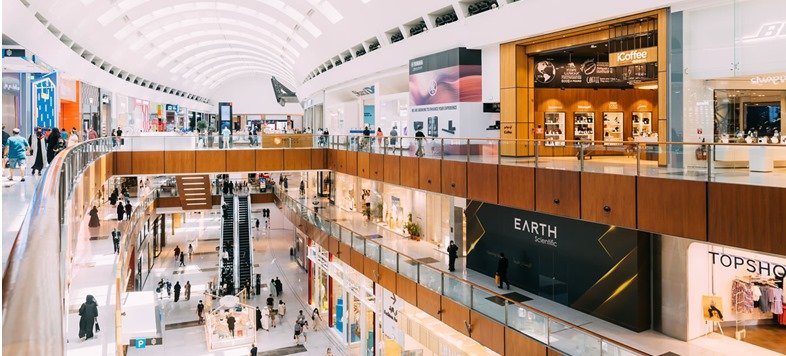
E-commerce has seen exponential growth in the UAE, driven by factors such as high internet penetration, a tech-savvy population, and the widespread adoption of digital payment solutions. The rise of quick commerce, AI-driven recommendations, and mobile shopping has reshaped how consumers interact with brands. However, while online sales are increasing, physical retail remains a dominant force, particularly in Dubai, where malls are more than shopping destinations – they are lifestyle hubs.
Brick-and-mortar stores are evolving to meet new consumer expectations by integrating digital elements, such as AI-powered personal shopping assistants, in-store AR experiences, and seamless click-and-collect options. The concept of phygital retail – where online and offline experiences merge – is becoming the norm, ensuring that physical stores continue to remain relevant in the e-commerce era. Malls and brands must focus on experience-driven retail to differentiate themselves, offering interactive spaces, live events, and exclusive product launches that cannot be replicated online.
Data-Driven Leasing Strategies
The role of data in retail leasing has never been more critical. Traditional leasing models based on footfall and historical sales are being replaced by data-driven decision-making that includes consumer analytics, heat mapping, and AI-driven insights. By leveraging big data, retailers and landlords can make more informed decisions about store placement, product mix, and pricing strategies.
Advanced analytics are now driving leasing decisions, ensuring that brands are positioned in high-traffic areas with the right customer demographics. Understanding shopper behaviors, dwell times, and conversion rates allows for a more strategic approach to retail expansion. This ensures that brands are not just occupying space but thriving in environments optimized for their target audience.
Positioning Brands for Long-Term Success
As the UAE retail sector continues to evolve, businesses must adopt a strategic approach to stay competitive. Key strategies include:
- Market Intelligence: Conducting in-depth market research and competitive analysis to identify gaps and opportunities.
- Strategic Leasing: Using data-driven insights to secure prime locations that align with a brand’s customer base and growth trajectory.
- Omnichannel Integration: Helping brands seamlessly merge online and offline strategies to maximize customer engagement.
- Experience-Driven Retail: Implementing innovative store designs, experiential activations, and digital enhancements to boost foot traffic and conversions.
- Sustainable Growth Planning: Ensuring brands adopt resilient, future-proof strategies that account for changing consumer behaviors and technological advancements.
With a deep understanding of both global trends and regional nuances, businesses that embrace agility, innovation, and customer-centric strategies will thrive in the evolving UAE retail landscape.
The future of retail in the UAE will be defined by adaptability and innovation. As digital and physical retail continue to merge, success will depend on creating meaningful customer experiences, leveraging data insights, and embracing new retail technologies. Businesses that stay ahead of these trends will not only adapt but lead in the evolving market.