

In the dynamic global retail environment, Dubai stands out as a city where tradition and innovation intersect, offering a unique perspective on the interplay between e-commerce and experiential retail. Customer behaviour in Dubai reflects a blend of cultural values, technological adoption, and economic vibrancy, making it distinct from other regions.
Dubai has embraced e-commerce with remarkable enthusiasm, driven by a tech-savvy population, high smartphone penetration, and government initiatives supporting digital transformation. The city’s residents, accustomed to luxury and convenience, increasingly rely on e-commerce platforms for their shopping needs. From international giants like Amazon and Noon to niche local players, Dubai’s online shopping ecosystem has evolved to meet diverse demands.
Compared to other regions, Dubai’s e-commerce scene benefits from its strong logistics infrastructure and strategic geographical location, allowing retailers to offer faster delivery services. The expectation for same-day or even two-hour delivery is more prevalent in Dubai than in many Western or Asian markets. Additionally, the integration of Arabic-language platforms and culturally specific offerings makes e-commerce in Dubai highly localised, setting it apart from global trends.
In contrast, regions like Europe and North America have a more mature e-commerce market, where the focus is shifting from growth to optimising sustainability and personalization. Meanwhile, in parts of Africa and South Asia, e-commerce adoption is still in its nascent stages, often constrained by infrastructural and logistical challenges.
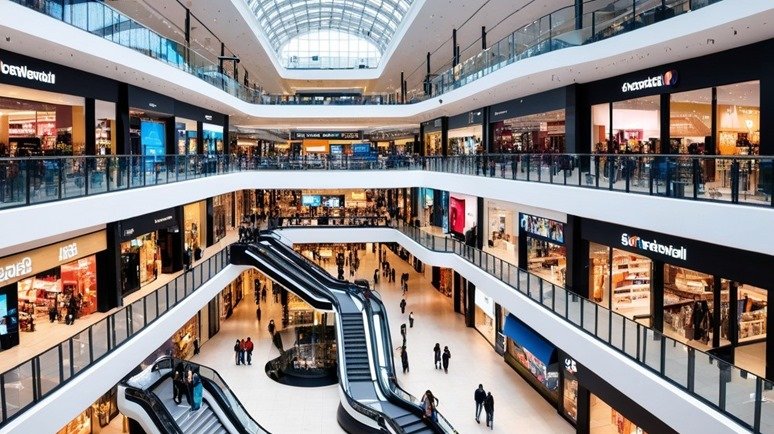
Dubai’s retail landscape is synonymous with grand shopping malls and luxury brands, making experiential retail a cornerstone of its consumer culture. Malls like The Dubai Mall and Mall of the Emirates are not just shopping destinations but experiential hubs that blend retail, entertainment, and leisure. Features such as indoor ski slopes, aquariums, and immersive art installations redefine the shopping experience, creating a sense of wonder that draws both residents and tourists.
Experiential retail in Dubai caters to a population that values exclusivity and luxury. For example, personalised in-store services, live demonstrations, and curated shopping experiences are more prevalent in Dubai compared to regions like North America, where convenience often takes precedence over exclusivity. Emerging markets such as India or Southeast Asia are witnessing a growth in experiential retail, which often scales down to accommodate smaller budgets and localised preferences.
Technology significantly influences consumer behaviour in Dubai, blurring the distinction between e-commerce and experiential retail. Retailers in Dubai are investing heavily in augmented reality, virtual reality, and artificial intelligence to enhance customer engagement. For instance, retailers commonly use AR for virtual try-ons in fashion and cosmetics, while AI-driven personalisation customises shopping recommendations.
This tech integration is more pronounced in Dubai compared to regions like Europe, where AR and VR are used selectively, often as supplementary tools. Cost and accessibility barriers limit the adoption of such technologies in less developed markets.
Cultural factors also play a significant role in differentiating customer behaviour in Dubai from other regions. Dubai deeply integrates the retail experience with social and leisure activities, especially during weekends or festive seasons. The city’s cosmopolitan nature encourages a blend of traditional and modern shopping habits, with customers appreciating both high-tech e-commerce platforms and in-person retail interactions.
By contrast, in Western markets, shopping is often more task-orientated, with consumers prioritising convenience and speed. In regions with strong collectivist cultures, such as parts of Asia and Africa, shopping is frequently a family or community activity, influencing the layout and offerings of retail spaces.
Dubai’s retail sector excels in implementing omnichannel strategies, combining the best of e-commerce and experiential retail. For example, brands often use online platforms to showcase exclusive products that require in-store pickup, seamlessly integrating digital and physical touchpoints. The city’s emphasis on luxury and exclusivity enhances this model, as consumers often expect personalised treatment regardless of the shopping channel.
In comparison, omnichannel approaches in North America and Europe focus more on convenience, such as curbside pickups and automated returns. In emerging markets, omnichannel strategies are still developing, often limited by technological and logistical constraints.
Global trends and local government initiatives are influencing Dubai’s retail scene to prioritise sustainability. While consumers in Dubai are becoming more conscious of ethical practices and eco-friendly products, this trend is not as deeply entrenched as in Europe, where sustainability often drives purchasing decisions. In contrast, in regions such as South Asia or Africa, affordability and accessibility often take precedence over sustainability.
The dual forces of e-commerce and experiential retail are reshaping customer behaviour worldwide, but Dubai’s distinctive blend of cultural heritage, technological innovation, and economic affluence creates a unique retail environment. Compared to other regions, Dubai offers a more integrated and luxury-driven experience, with rapid adoption of new technologies and a strong emphasis on exclusivity and personalisation.
For businesses looking to succeed in Dubai, understanding these nuances is critical. Whether investing in high-tech solutions or creating immersive in-store experiences, brands must align with the city’s unique customer expectations. By doing so, they can thrive in Dubai’s vibrant and competitive retail landscape while contributing to its position as a global leader in modern commerce.